





Behind the Hustle: Understanding and Navigating Anxiety and Burnout

In the fast-paced, high-achieving rhythm of modern life, especially in dynamic environments such as Hong Kong, it's common to feel a constant pressure to perform. The line between dedicated drive and debilitating exhaustion can become dangerously thin. If you find yourself feeling perpetually overwhelmed, emotionally drained, and detached from the work you once loved, please know this: you are not alone, and what you are experiencing has a name. It’s crucial to understand that burnout and chronic anxiety are not personal failures, but rather legitimate responses to prolonged stress.
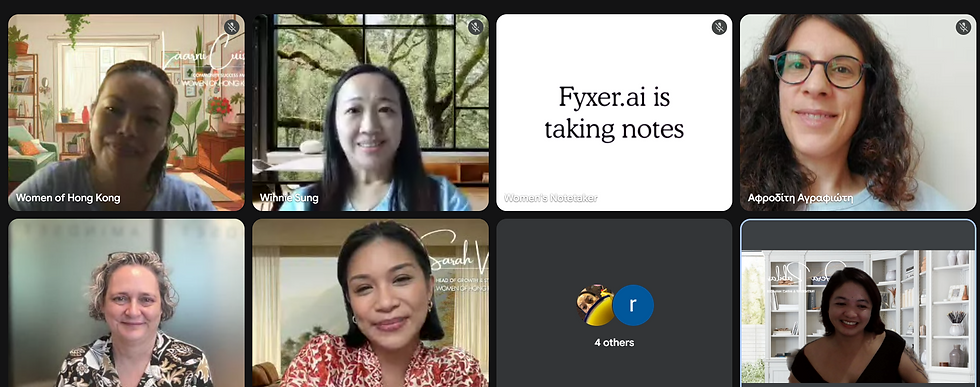
Last month, we invited Elise Phillipson, psychologist and psychotherapist at AMindset Psychology Services, to co-host a Women of Hong Kong Community Call and provide our members with some evidence-based strategies for managing stress, dealing with past trauma and anxiety, and building self-compassion. Here are the key insights from our discussion.

Recognising the Signs: More Than Just "Being Tired"
Burnout isn't simply about needing a good night's sleep or a weekend off. It's a state of emotional, physical, and mental exhaustion caused by excessive and prolonged stress. The World Health Organisation classifies it as an occupational phenomenon, characterised by three key dimensions:
Feelings of energy depletion or exhaustion: This goes beyond physical tiredness to a deep sense of being emotionally and mentally "drained."
Increased mental distance from one’s job, or feelings of negativism or cynicism related to one's work: You may feel irritable, detached, or find that you’ve become cynical about your tasks and colleagues.
Reduced professional efficacy: A sense of incompetence, lack of achievement, and plummeting productivity often accompanies burnout.
When paired with anxiety—a persistent feeling of worry, nervousness, or unease—the cycle can feel inescapable. Anxiety keeps the mind racing with "what-ifs," while burnout drains the capacity to cope with them.
The Power of Proactive Boundaries: Your Shield Against Overwhelm
Research consistently shows that a lack of control over one's workload and time is a major contributor to burnout. This is where proactive strategies become non-negotiable for self-preservation.
One of the most effective tools is structured time management, such as time-blocking. This isn't merely a productivity hack; it's a psychological container for your focus. By intentionally assigning specific tasks to protected time slots, you reduce the cognitive load of constant task-switching and create a tangible sense of control. This practice helps quiet the anxiety of an endless to-do list by making your day predictable and manageable. Exploring well-regarded courses on this topic can provide a robust framework for implementing this strategy.
Creating Space for Restoration
Managing anxiety and preventing burnout is not just about managing work; it's about actively nurturing your well-being. This requires creating non-negotiable spaces for restoration:
Cognitive Rest: Schedule short breaks throughout the day to step away from screens. Even five minutes of mindful breathing or a walk without your phone can lower cortisol levels.
Emotional Check-ins: Build a habit of pausing to name your feelings. Are you feeling anxious? Frustrated? Overwhelmed? Acknowledging an emotion without judgement can reduce its intensity.
Physical Recharge: Prioritise sleep, nutrition, and movement. These are not luxuries; they are the foundational pillars that regulate your nervous system and build resilience against stress.
A Path Forward
Remember, these feelings are signals, not life sentences. They are your mind and body’s way of telling you that the current way of operating is unsustainable. Listening to these signals is the first and bravest step toward change.
Prioritising your mental well-being is the most strategic investment you can make in your long-term success and personal fulfilment. It is not a distraction from your goals, but the very foundation that allows you to pursue them with clarity, passion, and resilience. If you find that self-guided strategies aren't enough, seeking professional support is a powerful and proactive choice to rebuild a healthy, sustainable relationship with your work and yourself.
Thank you to Elise for sharing her knowledge and making our members feel more supported as they navigate the stresses of daily life. If you would like to hear more from Elise, you can approach her on Instagram, LinkedIn or visit her website. Elise specialises in working with individuals facing these exact pressures. She offers a welcoming and confidential space to help you manage anxiety, prevent burnout, and reconnect with your motivation.


Great info, helpful, honest, and good for all!
This was a well written post, Jess! Thank you for this, its incredibly informative 😍